
Let's be honest, managing staff holidays can feel like a real chore. But getting your holiday tracking system right is one of the most important things you can do as a UK business. It goes far beyond simply avoiding a few scheduling clashes; it’s about staying compliant with the law, keeping operations running smoothly, and building a foundation of trust with your team.
A shaky system—or worse, no system at all—can cause immediate, real-world problems. Think about accidental understaffing during your busiest period or persistent payroll errors that slowly chip away at morale. These aren't just minor hiccups; they're the direct result of disorganised holiday management.
The Foundation of Compliance and Stability
At its core, a solid holiday tracking process is your first line of defence against compliance headaches. In the UK, every employee is legally entitled to a minimum of 5.6 weeks of paid annual leave per year. For someone working full-time, that’s 28 days.
This entitlement can include bank holidays if you choose, which makes accurate tracking absolutely essential—not just for fairness, but for legal reasons. You can learn more about UK annual leave requirements here, but the key takeaway is that old-school spreadsheets and paper forms are a recipe for trouble. The risk of admin errors, payroll mistakes, and damaging scheduling conflicts just skyrockets.
From Administrative Burden to Strategic Tool
When you finally ditch the manual methods, you can start seeing the bigger picture. Instead of just reacting to last-minute requests, you can proactively manage your workforce. Having a clear, central view of who is off and when helps you spot potential bottlenecks and ensure key projects stay on track long before they become an issue.
For example, a dashboard like this one from Vacation Tracker gives managers an instant, at-a-glance overview of team availability.
This kind of clarity means managers can make smart approval decisions on the spot, without having to dig through emails or cross-reference three different spreadsheets.
The difference between wrestling with a spreadsheet and using a dedicated tool is night and day. Let's break it down.
Manual vs Automated Holiday Tracking: A Quick Comparison
| Feature | Manual Tracking (Spreadsheets/Paper) | Automated Tracking (Software) |
|---|---|---|
| Accuracy | Prone to human error, typos, and formula mistakes. | Calculations are automatic and error-free. |
| Visibility | Hard to see team-wide availability at a glance. | Centralised dashboard shows who is off and when. |
| Employee Access | Staff have to ask HR/managers for their balance. | Employees can check their leave balance 24/7. |
| Approval Process | Relies on email chains and verbal requests; easy to lose track. | Streamlined requests and approvals, often in one click. |
| Compliance | Difficult to track entitlements and ensure legal adherence. | Automatically calculates entitlements based on your policies. |
| Reporting | Time-consuming to generate reports on leave patterns. | Instant reports for resource planning and trend analysis. |
As you can see, automation doesn't just make things faster—it makes them fundamentally more reliable and transparent for everyone involved.
A great staff holiday tracking system doesn't just record absences; it provides the data needed for intelligent resource planning and helps foster a culture where employees feel confident taking the restorative time off they've earned.
Ultimately, organised holiday tracking is about building a more resilient and transparent business. It gives your team clarity and fairness, with an easy way to see their remaining leave and request time off. For managers, it removes the guesswork and the administrative grind. That foundation of trust and efficiency is what keeps a workplace positive and productive.
Crafting a Holiday Policy That Actually Works

A fancy tracking tool is only one piece of the puzzle. If the rules it’s meant to enforce are confusing or feel unfair, you’re essentially just buying a faster way to create chaos. The real foundation of effective staff holiday tracking is a clear, well-thought-out holiday policy. It cuts through the noise for your team and gives managers a solid framework for making fair, consistent decisions.
This isn’t about drafting a monstrous legal document that gathers dust. It's about creating a practical, go-to guide that answers the real questions your people have. When everyone understands the rules of the game—from how the leave year works to notice periods—the entire process becomes far smoother for everyone involved.
Defining Your Core Policy Elements
First things first, you need to lay down the basic framework. These are the non-negotiables that every single employee, whether they started yesterday or ten years ago, needs to grasp. Getting these fundamentals right from the start heads off the most common disputes before they even begin.
Your policy must clearly define the leave year. Does it follow the calendar year from January to December, or does it align with your financial year, maybe April to March? There's no wrong answer here, but you absolutely have to pick one and communicate it. Without a defined period, calculating entitlements and managing carry-over days becomes a genuine headache.
Next up, bank holidays. You need to be explicit about whether they are part of the statutory 28-day entitlement or an added extra. For instance, a simple line like, "Your annual entitlement of 28 days is inclusive of all UK public and bank holidays," removes any room for misunderstanding.
A great holiday policy preempts questions. By thinking through common scenarios and outlining procedures clearly, you empower both employees and managers, reducing administrative friction and building a culture of trust and transparency.
Setting Clear Rules for Booking Time Off
With the basics sorted, it’s time to get into the nitty-gritty of how people actually request and take their leave. This is where you can stamp out the daily operational headaches that often come with managing holidays.
A crucial part of this is the notice period. It’s perfectly reasonable to ask employees to give notice that’s at least double the length of the holiday they want to take. So, for a two-week summer holiday, they should be giving you at least four weeks' notice. This gives managers enough breathing room to organise cover and juggle workloads, preventing last-minute scrambles.
You also need a plan for handling clashing requests. It’s a given that multiple people will want the same popular weeks off, especially around school holidays or Christmas. A "first-come, first-served" system is often the fairest and most straightforward approach. Stating this clearly in your policy helps manage everyone’s expectations from the outset.
Managing Special Scenarios and Exceptions
A truly solid policy anticipates the curveballs. It goes beyond the everyday stuff to cover the specific situations that always seem to cause confusion. Addressing these edge cases upfront will save you a world of administrative pain later on.
Think about these common scenarios:
- Part-Time Staff: How do you calculate their holiday? Your policy should state that entitlement, including bank holidays, is calculated on a pro-rata basis. For example, someone working three days a week is entitled to 16.8 days of leave (which is 28 days x 0.6).
- Leave During Probation: Can new starters take holidays while they're still in their probationary period? While you can restrict this, it’s often better for morale to allow it, perhaps with a cap on the number of days they can take.
- Carrying Over Leave: Be specific about how many days, if any, can be carried over and set a firm deadline. For example: "You can carry over a maximum of five unused holiday days into the next leave year, but they must be used by 31st March."
Finally, consider your business's peak times. If you’re in retail, you’ll likely need to restrict leave during the mad Christmas rush. Legally, you’re well within your rights to do this, as long as you give people plenty of notice. A clause like, "Due to operational demands, no holiday requests will be approved between 1st December and 1st January," is perfectly acceptable when it’s communicated clearly and in advance. This ensures your staff holiday tracking system can be configured to protect your business when it matters most.
Choosing The Right Holiday Tracking Tools
Once you have a clear and fair holiday policy in your pocket, the next step is picking the technology to bring it to life. This is a big decision. The right tool can turn your rules from a static document into a living, automated process that just works. But let's be honest, searching the market for staff holiday tracking solutions can feel like a chore, with everything from massive HR platforms to basic spreadsheets vying for your attention.
The goal isn't just to find any tool; it's to find the right one for your business. A system that’s perfect for a 200-person company could be complete overkill for a ten-person startup. Your choice should really come down to your company's size, your budget, and the software your team already uses every day.
From Spreadsheets to Specialised Software
For very small teams or businesses just starting out, an Excel spreadsheet can seem like a logical first step. It’s familiar, and it doesn’t cost anything upfront. The problem is, this approach almost always creates more admin work than it saves. Everything from calculating entitlements to tracking balances has to be updated by hand, which is exactly where human error creeps in.
This is where dedicated holiday tracking software really shines. It's built specifically to get rid of that manual grind. These tools automate the most tedious parts of leave management, giving you a single source of truth that both managers and staff can trust. A great tool should feel like a natural part of your workflow, not another complicated system to master.
You can learn more about what makes a system truly effective in our guide on the features of a modern https://www.leavewizard.com/staff-holiday-tracker/.
The best holiday tracking tools don't just record leave—they make the entire process transparent and effortless. Employees should be able to check their balance and request time off in seconds, and managers should be able to approve it with a single click, confident that all policy rules have been met.
Core Features That Truly Matter
When you're comparing different options, it’s easy to get bogged down in a long list of features. My advice? Focus on the functions that will make the biggest difference to your day-to-day operations.
Here are the essentials I always tell people to look for:
- Automated Entitlement Calculations: The system has to do the maths for you. This includes complex pro-rata calculations for part-timers and automatic adjustments for new starters or leavers. No more manual calculations.
- Shared Team Calendar: A visual, real-time calendar showing who is off and when is an absolute must. It’s the key to preventing scheduling clashes and helping managers plan their resources properly.
- Self-Service for Employees: Staff need to be empowered. They should be able to see their remaining holiday balance, check the team calendar, and submit requests without having to ask a manager or HR.
- Customisable Approval Workflows: Can you set up a multi-step approval process? For example, maybe a request needs a green light from a line manager before it goes to the department head. The system should handle that.
- Integration Capabilities: A tool that plays nicely with your existing software—like Slack, Microsoft Teams, or Google Calendar—creates a much smoother experience for everyone.
It’s also worth considering how a tool syncs with employee calendars. Looking into effective strategies for keeping holiday entries updated in staff calendars can help you judge how well a potential tool handles this crucial feature.
The Impact of a User-Friendly System
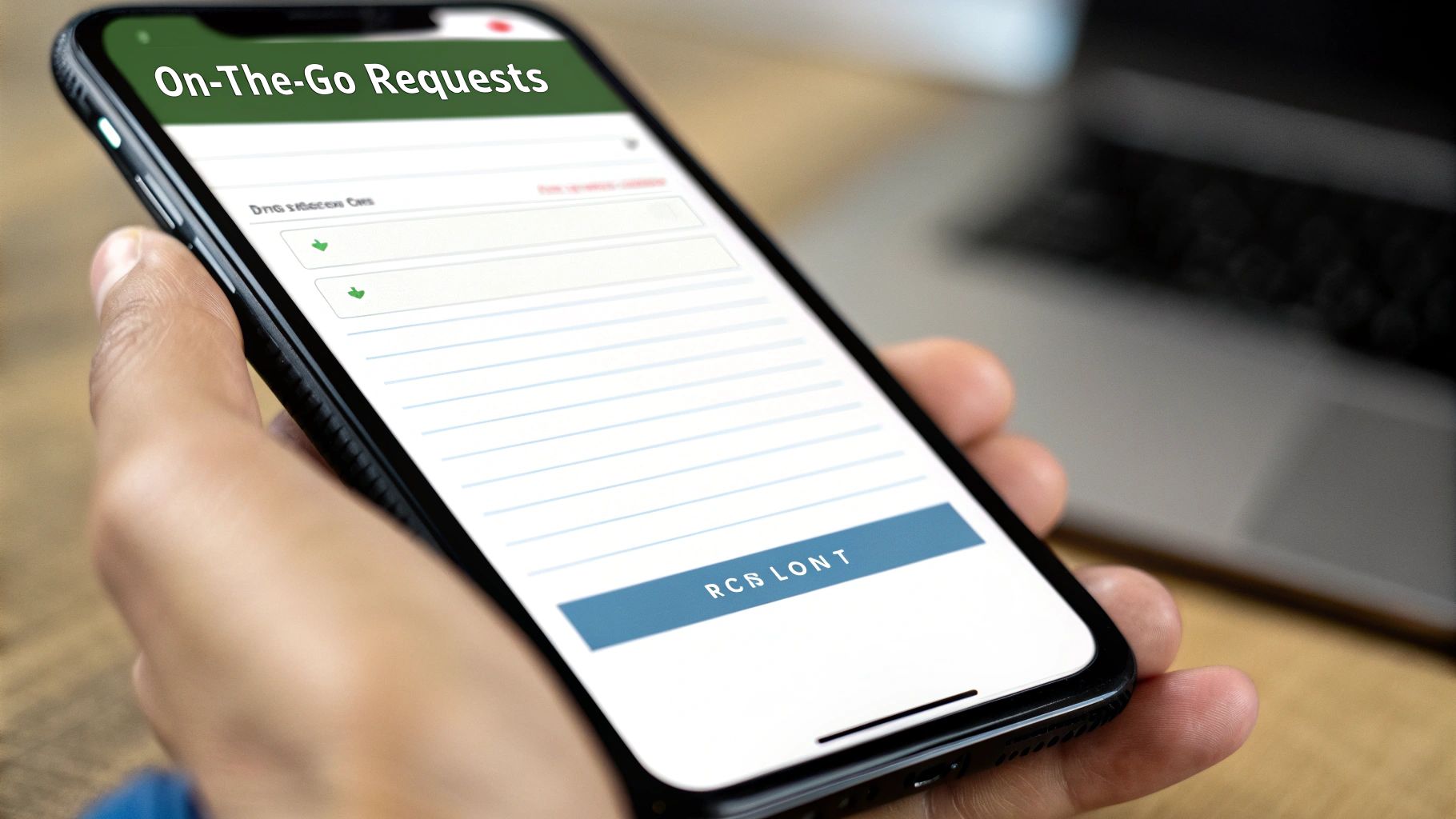
The easier a system is to use, the more likely your team is to actually use it. A clunky, confusing interface will only lead to frustration and people reverting to old habits, like firing off holiday requests in an email. The best systems are intuitive from the get-go, especially on mobile.
A UK-based app, The Holiday Tracker, found that ease of use was directly linked to positive business outcomes. In a pretty remarkable finding, 83% of their customers saw a reduction in sick leave during their first year. This is chalked up to the transparency and ease with which staff can plan and book proper rest, with requests taking less than 10 seconds.
The dashboard above is a great example of this clarity. The colour-coded calendar view makes it immediately obvious who is away. This kind of visibility empowers everyone to plan collaboratively, which means far fewer last-minute staffing surprises.
Ultimately, investing in the right staff holiday tracking tool pays for itself. You’ll see it in the reduced admin time, fewer mistakes, and a more organised, rested, and productive team.
Rolling Out Your New System Without the Headaches
Even the world's best staff holiday tracking system is a waste of money if your team doesn't use it. Or worse, if they don't know how to use it. A thoughtful rollout plan is the bridge between picking a great tool and actually seeing it deliver real value. The goal here is a smooth transition that feels like a genuine upgrade for everyone, not just another piece of software to learn.
A successful launch is much more than just flicking a switch. It’s about careful data migration, clear communication, and giving your team the confidence to embrace the new way of working from day one. Getting this right prevents a lot of headaches and builds positive momentum from the get-go.
Preparing the Groundwork for a Smooth Launch
Before you even dream of announcing the new system, you have to get the technical foundations sorted. This is the behind-the-scenes work that makes the public launch feel so effortless.
First, and most critically, you need to migrate your existing leave data. This means ensuring all approved future holidays and current leave balances are transferred into the new system with 100% accuracy. The fastest way to lose an employee's trust is for them to log in and see an incorrect holiday balance. It creates immediate doubt.
Next, you'll need to meticulously configure the software to mirror your company's holiday policy. This involves setting up your specific leave year, defining how bank holidays are handled, and inputting any carry-over limits you've decided on. This step is what turns your policy from a static document into an active, automated guardian of your rules, making sure every request is handled consistently.
Communicating the Change Effectively
With the system primed and ready, your focus needs to pivot to communication. How you introduce this change will completely shape your team's perception of it. Ditch the dry, technical memo. Instead, frame the launch as a positive step forward that's going to make everyone’s life that little bit easier.
Your announcement email should be enthusiastic and laser-focused on the benefits for them:
- Easy Access: "You'll now be able to check your holiday balance and request time off 24/7, right from your phone."
- Total Transparency: "The new shared calendar means you can instantly see when colleagues are away, making it so much simpler to plan your own time off."
- Faster Approvals: "No more waiting on email replies. The new system makes getting your holiday approved quick and straightforward."
The idea is to build excitement, not anxiety. Reassure everyone that you'll provide all the support they need to get comfortable with the new process.
A seamless rollout is 90% communication and 10% technology. Your team won't care about the features if they don't understand why the change is happening and how it benefits them directly.
Training and Empowering Your Team
A short, focused training session is an absolute must. But this shouldn't be a long, boring lecture. Honestly, a 30-minute live demonstration is often more than enough to cover the essentials.
Just walk them through the three main things they'll do:
- How to check their leave balance.
- How to see the team calendar.
- How to submit a new holiday request.
By keeping it simple and action-oriented, you give them the confidence to jump in and start using the system straight away. And don't forget to record the session! It’s perfect for new starters or anyone who needs a quick refresher.
One of the best long-term strategies is to appoint a ‘system champion’. This is usually an enthusiastic team member who picks up the new tool quickly and is happy to help others. They become the friendly, go-to person for quick questions, which takes a huge amount of pressure off managers and HR. This kind of informal support network is invaluable for encouraging adoption and making your new staff holiday tracking system a genuine success from day one.
Getting a new staff holiday tracking system up and running is a fantastic first step for sorting out your admin. But its real value goes way beyond just clicking 'approve' on a leave request. Honestly, it's a goldmine of business intelligence if you know where to look. The data you're gathering is your ticket to shifting from a reactive management style to a truly proactive one, helping you make much smarter operational calls.
This data isn't just a boring log of who was off and when. It tells a story about your team's work patterns, where the pressure points are, and the natural rhythm of your business. When you start to analyse this information, you turn holiday tracking from a simple chore into a strategic tool for workforce planning. More importantly, it helps you build a healthier work-life balance for everyone on your team.
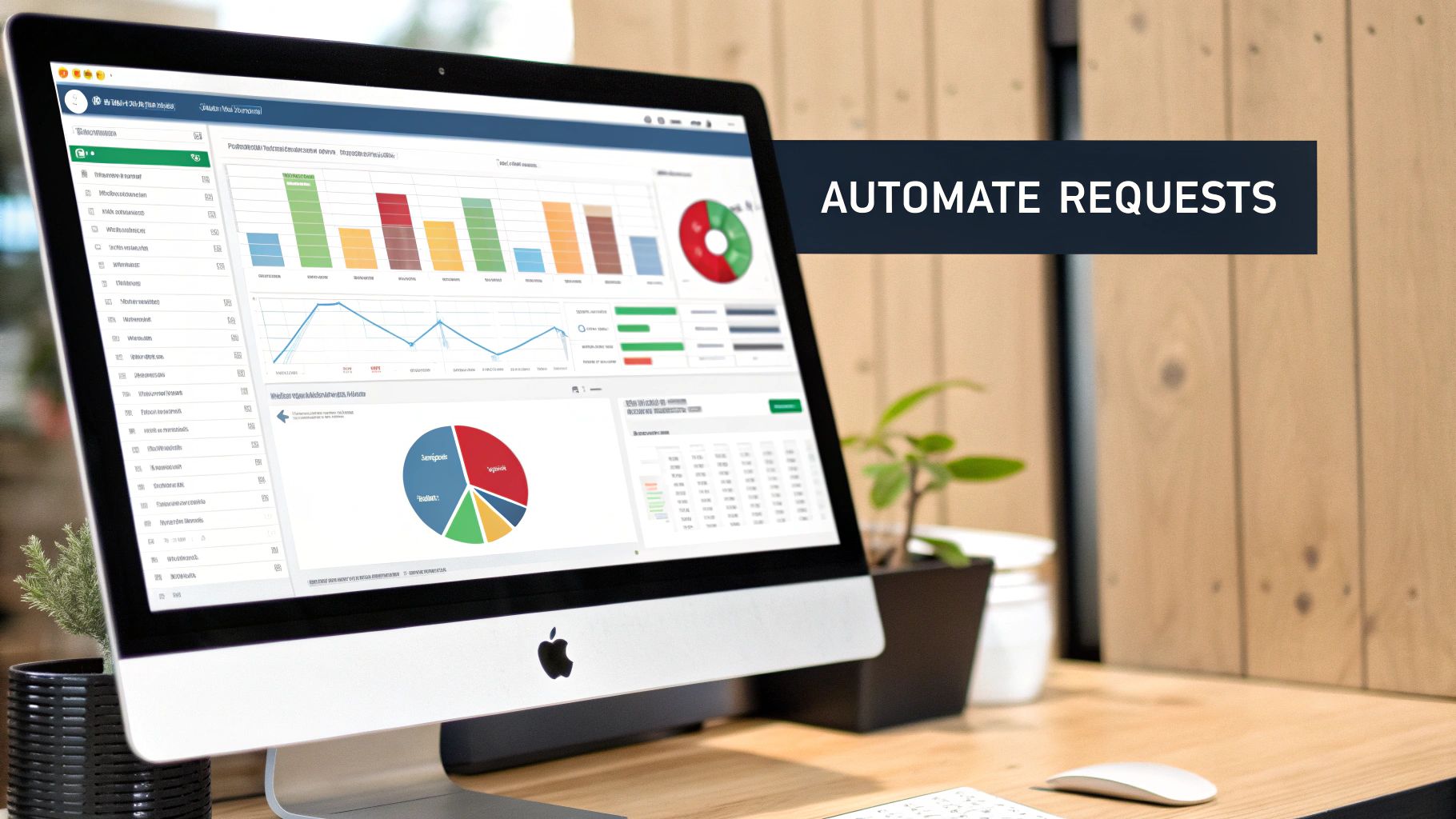
A dashboard view like this gives you an instant, visual snapshot of who's off and when. This is the kind of at-a-glance data that lets managers spot trends without having to lose an afternoon digging through spreadsheets.
Spotting the Hidden Trends in Leave Patterns
The first, and most obvious, place to start is by looking at leave patterns over time. Which months are the most popular for holidays? Is there a particular time of year when almost everyone in one department seems to vanish? Answering these questions is invaluable for planning your resources.
For instance, if you notice that August is consistently the busiest holiday month for your marketing team, you can get ahead of it. This lets you either manage project deadlines to avoid that period or arrange for temporary cover well in advance. You're no longer caught off-guard by a sudden flurry of requests, which means the business keeps running smoothly during those predictable peaks.
Another critical pattern to keep an eye on is low holiday uptake. If you see a team, or even just one person, who has barely taken any time off by the third quarter, that should set off alarm bells. This isn't a sign of heroic commitment; it's a potential indicator of burnout, an overwhelming workload, or maybe even a manager who's subtly discouraging people from taking breaks.
Your tracking data gives you an objective window into employee wellbeing. A lack of holidays taken is just as significant as too many absences—both point to potential problems that need a manager's attention and support.
From Data Points to Employee Wellbeing
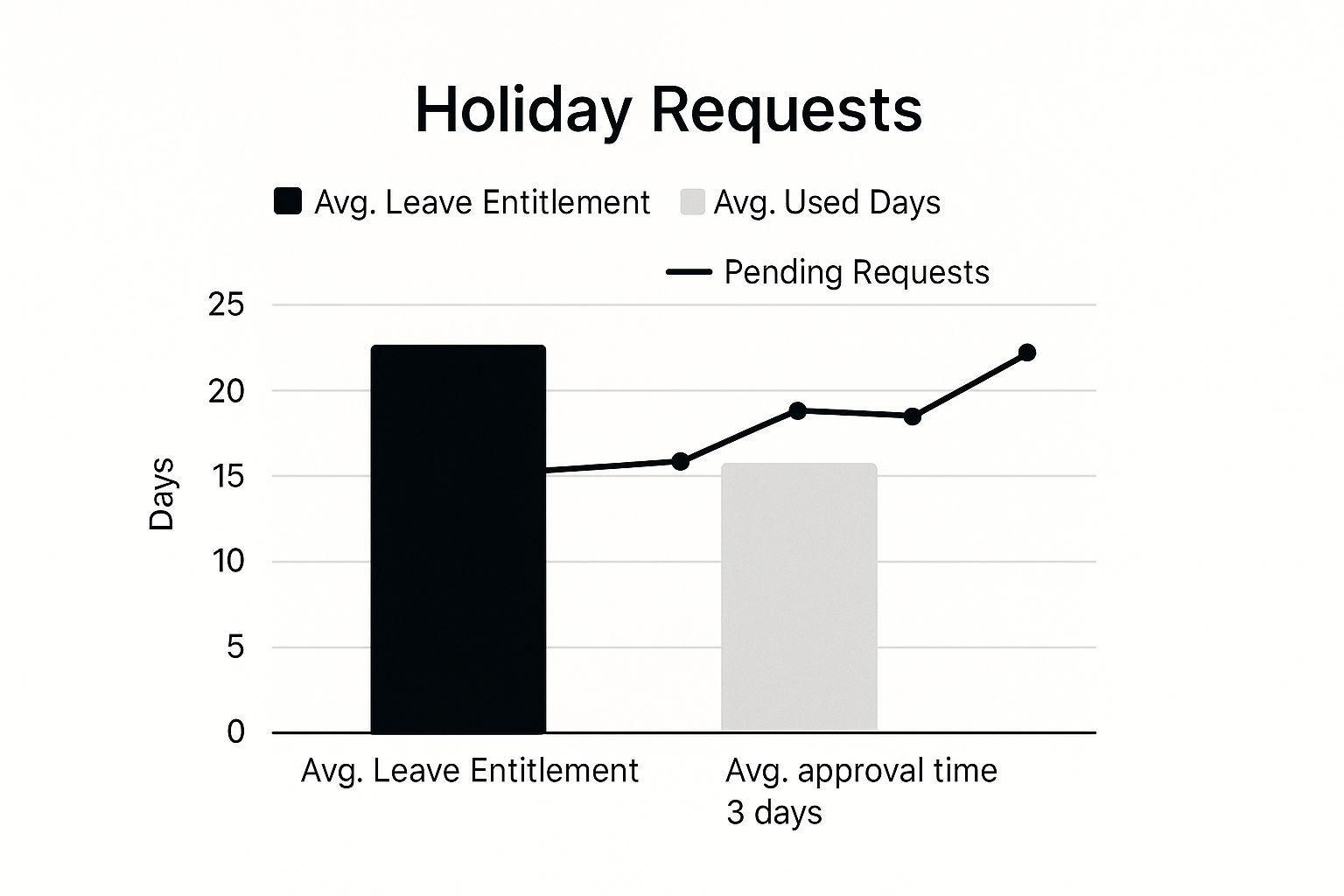
A healthy holiday balance is absolutely vital for preventing burnout and keeping productivity high. The problem is, taking time off isn't always seen as a priority. While the average leave allowance is around 22-23 days in the UK, many employees leave about five of those days unused each year. Encouraging your team to take their full entitlement isn't just a nice thing to do; it's good for business.
When managers have clear visibility over everyone's remaining leave, they can be the ones to gently nudge staff to book a break. A simple conversation like, "I've noticed you've still got a lot of holiday days left, let's get some time booked in for you," can make a world of difference. It shows you genuinely care about their wellbeing and helps to normalise taking those much-needed restorative breaks. If you want to dig deeper into this, our article on the importance of accruing holiday time is a great read.
Using Reports for Strategic Workforce Management
Modern holiday tracking systems come with powerful reporting features that help you see the bigger picture. These reports are essential for managing your workforce strategically and can shine a light on areas you need to improve.
Make sure you're using reports that let you:
- Compare leave across different departments: This is a brilliant way to spot workload imbalances. If one team consistently takes less time off than others, it might be a sign they're under-resourced or swamped by project pressures.
- Track entitlement vs. days taken: On a company-wide level, this helps you understand your financial liability for accrued but untaken holiday pay. It also helps you spot cultural trends around taking leave.
- Analyse absence types: If your system also tracks sick days, you can start looking for connections. For example, a spike in sickness right after a period of low holiday uptake could reinforce the link between a lack of rest and poor employee health.
By regularly reviewing this data, you're giving your managers the insights they need to lead their teams more effectively. It helps them strike that crucial balance between operational demands and the wellbeing of their people, fostering a culture where everyone feels supported, rested, and ready to do their best work.
Got Questions About Staff Holiday Tracking in the UK?
Even when you think you have a rock-solid system and a clear policy, specific questions about staff holiday tracking will always find their way to your desk. Knowing how to handle these tricky situations isn't just about being helpful; it's about being fair, consistent, and staying on the right side of UK employment law.
Getting these common queries sorted out quickly stops small misunderstandings from spiralling into bigger problems. We’ve pulled together some of the most frequent questions from UK managers and their teams to give you practical, straightforward answers.
How Do We Calculate Holiday for New Starters?
This one comes up all the time, but thankfully, the maths is pretty simple. Holiday for anyone joining (or leaving) part-way through the year is calculated on a pro-rata basis. They simply accrue holiday for each full month they're with you.
Let’s say a new full-time hire is entitled to the statutory minimum of 28 days, and your holiday year is January to December. They’ll accrue leave at a rate of 2.33 days per month (that's just 28 divided by 12). If they start on 1st June, they have seven months left in the year. That gives them an entitlement of 16.31 days (2.33 days x 7 months). Most companies find it easier to just round this up to the nearest half-day.
Pro Tip: This is exactly the kind of thing your holiday software should handle for you. When you add a new team member and their start date, the system should instantly work out their pro-rata entitlement. No calculators, no spreadsheets, no mistakes.
What Happens to Holiday When Someone Is on Long-Term Sick Leave?
This scenario can feel a bit tangled, but the UK's legal position is clearer than you might think. An employee continues to accrue their statutory holiday entitlement even while on long-term sick leave. What's more, if they couldn't take that holiday because of their illness, they're allowed to carry it over.
Here’s the breakdown:
- Accrual Doesn't Stop: Someone on sick leave for six months still builds up their holiday time as if they were in the office.
- Carry-Over is a Must: They can carry over up to four weeks of this leave (20 days for a full-timer). This carried-over holiday must typically be used within 18 months from the end of the leave year it was accrued in.
Keeping track of this manually is a recipe for disaster, which is why a proper system is a lifesaver. To get the full picture, it helps to understand the wider context of managing employee absences to make sure you’re handling every situation by the book.
Can We Pay an Employee for Unused Holiday?
It's a common question, especially as the end of the leave year approaches. The short answer? Generally, no. According to the Working Time Regulations, the first 5.6 weeks of statutory holiday can't be swapped for cash. The only exception is when an employee leaves the company.
The whole point of annual leave is to give people a proper break to rest and recharge. It’s crucial for their health and wellbeing. Letting employees "sell" their holiday days back to the business completely defeats that purpose. Of course, if someone is leaving, you are required to pay them for any statutory holiday they've accrued but haven't taken in their final pay packet.


