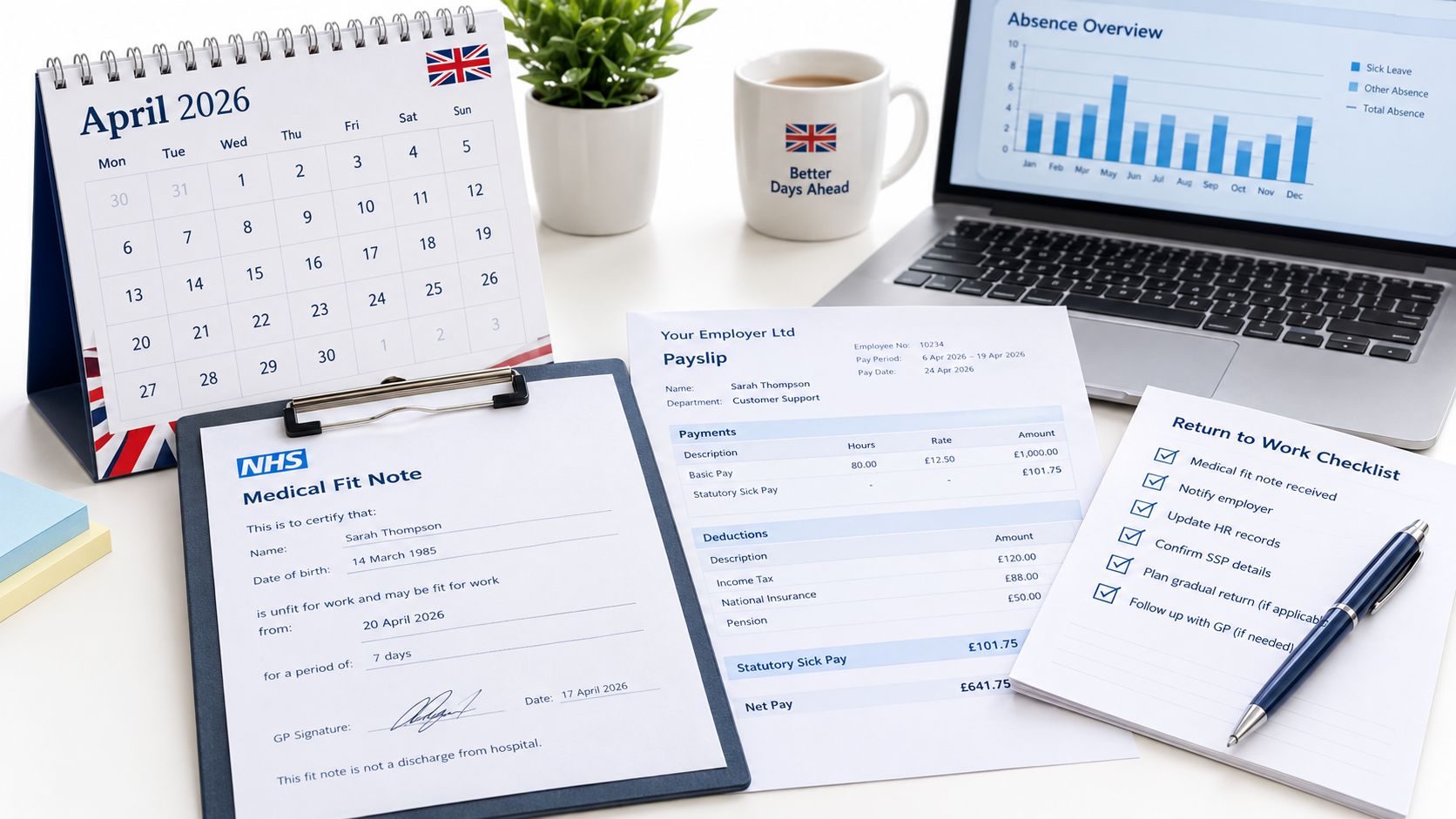
As we look ahead, mastering the calendar of public holidays 2025 is more than just marking dates; it’s a strategic imperative for seamless HR management, payroll accuracy, and maintaining team morale. An incorrectly managed holiday schedule can lead to payroll errors, staffing shortages, and employee dissatisfaction, creating significant operational friction. This comprehensive guide is specifically designed for HR managers, business owners, and operations staff who need to navigate the year with precision.
This playbook moves beyond a simple list of dates. We will provide a detailed roundup of the key national and international public holidays for 2025, complete with regional context for major observances. More importantly, we'll dive into actionable strategies for managing annual leave, ensuring payroll compliance, and configuring your systems like LeaveWizard to handle these dates automatically. To make preparation effortless, we also provide downloadable calendar files (ICS/CSV) that you can integrate directly into your existing tools.
Properly planning for these breaks also offers an opportunity to boost morale. Integrating thoughtful gestures around key dates can make a significant impact on employee engagement. As part of mastering your 2025 holiday calendar, considering staff appreciation gift ideas for 2025 can be an invaluable part of your HR playbook. From UK bank holidays to major international observances like Diwali and Eid al-Fitr, this resource will equip you with the practical tools and foresight needed for a successful and smoothly run year.
1. New Year's Day (January 1, 2025, Observed Globally)
New Year's Day, celebrated on January 1st, marks the start of the Gregorian calendar year and stands as one of the most universally recognised public holidays 2025 will offer. Its global observance means that for most businesses, particularly those with an international footprint, it is a day of complete shutdown. Unlike regional or national holidays, this date ensures that banks, international markets, and most global corporations cease operations simultaneously, creating a rare moment of synchronised downtime.

This universal closure simplifies planning but also presents unique HR challenges, primarily concerning the surge in annual leave requests surrounding the holiday. Employees often seek to extend their festive break by booking time off in late December or early January. Managing these overlapping requests requires a proactive and organised approach to ensure fair approvals and adequate staffing levels for business reopening.
HR Strategy & System Configuration
To manage this period effectively, your leave management system should be prepared well in advance. Proactive configuration prevents last-minute administrative chaos and ensures a smooth start to the new year.
- Pre-load Holiday Data: Update your LeaveWizard calendar with the January 1st public holiday by early December. This ensures the system accurately calculates leave allowances and prevents employees from accidentally booking it as a vacation day.
- Automate Notifications: Set up automated system-wide announcements to remind staff about the office closure. This clarifies expectations and reduces redundant queries to the HR department.
- Plan for System Maintenance: The guaranteed downtime on January 1st provides a perfect window for essential system updates, server maintenance, or end-of-year payroll reconciliation without disrupting daily operations.
- Address Staffing Needs: For industries requiring continuous operation, you must plan cover well in advance. Understanding your legal obligations is key; you can explore the regulations and best practices if you need your staff to work on public holidays to ensure compliance.
2. Good Friday & Easter Monday (April 18 & April 21, 2025, Christian-Majority Nations)
Good Friday and Easter Monday, falling on April 18th and 21st respectively, form a cornerstone of the public holidays 2025 calendar, particularly within Christian-majority nations. Unlike fixed-date holidays, Easter's variable timing requires careful long-term planning. Observed widely across Europe, the Americas, and Australia, these days often create a four-day weekend, leading to significant operational shutdowns in sectors like finance, manufacturing, and public services. For businesses with a presence in the UK, Canada, or mainland Europe, this period is a critical shutdown to manage.
The extended break presents a major planning challenge for HR departments. It triggers a high volume of annual leave requests as employees seek to create a longer holiday, often spanning one or even two full weeks by bridging the days around the long weekend. Managing this peak demand fairly while maintaining business continuity for any client-facing or essential services is paramount. A clear and early strategy prevents productivity dips and ensures a smooth operational flow before and after the holiday.
HR Strategy & System Configuration
Effective management of the Easter break hinges on forward planning and leveraging your HR system's capabilities to handle its unique, variable nature. Proactive configuration is key to avoiding staffing conflicts and administrative overload.
- Advance Holiday Planning: Due to Easter's changing dates, update your LeaveWizard calendar with the April 18th and April 21st holidays at least 12 months in advance. This ensures accurate leave calculations for future planning and prevents employees from booking these dates incorrectly.
- Automate Leave Alerts: Set up automated notifications to alert managers when leave requests are submitted for the weeks surrounding the Easter period. This allows for timely review of potential staffing shortages and helps manage overlapping requests fairly.
- Brief Payroll Early: The variable dates can complicate payroll, especially if your pay period crosses over the holiday weekend. Inform your payroll team well in advance to ensure correct calculations for overtime or bank holiday pay.
- Plan a Phased Return: To manage the post-holiday productivity dip, consider a phased return-to-work policy. Staggering the return of key teams or scheduling internal-only work for the first day back can help ease the transition and maintain operational momentum.
3. Labour Day / May Day (May 1, 2025, 150+ Countries)
Labour Day, or May Day, is observed on May 1st in over 150 countries, honouring the historic achievements and contributions of the labour movement. This date is one of the most significant public holidays 2025 will bring for businesses with a global workforce, particularly across Europe, Asia, and the Americas. Its widespread observance often results in a full business shutdown, impacting international supply chains, customer support, and cross-border operations.
The holiday's origins in workers' rights movements mean it is often accompanied by parades, demonstrations, and discussions on workplace standards. For HR departments, this presents an opportunity not just to manage leave but to reinforce company values around employee welfare. While the UK observes the first Monday in May, the fixed date for most of the world requires careful calendar management for multinational companies to avoid scheduling conflicts and operational gaps.
HR Strategy & System Configuration
Managing a holiday with such widespread yet slightly varied observance requires a precise and thoughtful approach. Configuring your HR system correctly is essential for maintaining operational continuity and clear internal communication.
- Segment by Region: In LeaveWizard, create separate holiday calendars for different countries. For example, set May 1st for your European teams while ensuring your UK calendar reflects the May Day Bank Holiday on Monday, May 5th, 2025.
- Communicate Workplace Policies: Use the lead-up to Labour Day to send out communications reiterating policies on workers' rights, benefits, and wellbeing initiatives. This aligns with the spirit of the holiday and reinforces your commitment to staff.
- Plan for Operational Impact: For businesses that operate across regions, identify potential disruptions. If your European logistics centre is closed on May 1st, this will affect UK deliveries. Plan staffing and stock levels accordingly to mitigate any impact.
- Ensure Fair Pay Calculations: This holiday is a key time to review and ensure your payroll processes are compliant. You can learn more about what paid holidays are and how holiday pay is calculated to ensure your team is compensated correctly and fairly.
4. Independence Day / National Days (Multiple dates throughout 2025, 195+ Countries)
National or Independence Days are a cornerstone of any country’s calendar, commemorating sovereignty and cultural identity. For multinational organisations, these patriotic dates represent a significant logistical challenge among the public holidays 2025 will bring. With nearly every country observing its own unique date, from the United States (July 4) and Canada (July 1) to India (August 15) and Mexico (September 16), managing these disparate closures is crucial for maintaining global operational continuity.
These holidays are not merely symbolic; they typically involve mandatory business and government shutdowns within the specific country. A failure to account for these dates can lead to misaligned project deadlines, payroll errors, and confusion among international teams. For businesses with a diverse global workforce, a centralised and location-aware approach to holiday management is not just convenient, it is essential for effective cross-border collaboration and compliance.
HR Strategy & System Configuration
Managing a patchwork of national holidays requires a robust system configured with regional precision. This ensures each team receives its statutory entitlements without creating administrative bottlenecks for HR.
- Create Region-Specific Calendars: Use your leave management system to build separate holiday profiles for each country or region where you operate. This isolates holiday rules and prevents US closures from being applied to UK staff, for example.
- Automate Location-Based Rules: Configure your system to automatically apply the correct public holiday calendar based on an employee's assigned office location. This ensures leave deductions and entitlements are always accurate for your international teams.
- System-Wide Communications: Schedule automated announcements two weeks prior to each major national holiday. These reminders should be targeted only to employees in the relevant country to avoid unnecessary notifications for the wider business.
- Audit and Verify Holiday Data: Annually review and verify the national holiday dates for all operational regions. This proactive step ensures accuracy and prevents scheduling conflicts when a holiday falls on a weekend, often resulting in an observance on a different day.
5. Christmas Day (December 25, 2025, 160+ Countries)
Christmas Day, falling on December 25th, is the most widely recognised of all public holidays 2025, observed in over 160 countries. While rooted in Christian tradition, its cultural and commercial significance transcends religious affiliation, making it a cornerstone of the annual business calendar. For most organisations, this day marks the peak of a wider holiday shutdown, often encompassing the period between mid-December and early January when combined with Boxing Day and New Year’s Day.
This extended closure period presents significant HR challenges, from managing a high volume of leave requests to ensuring fair rotas for essential staff. Global financial markets and multinational corporations universally cease operations, creating a critical window for year-end administrative tasks but demanding meticulous forward planning to avoid disruption and ensure a smooth transition into the new year.
HR Strategy & System Configuration
Effective management of the Christmas period hinges on early and clear communication, supported by a robustly configured leave system. Proactive preparation can prevent administrative overload and ensure business continuity where required.
- Pre-load Holiday Data: To manage the surge in leave requests, update your LeaveWizard calendar with the December 25th public holiday by late summer. This prevents employees from booking it as annual leave and provides a clear view of available staffing.
- Establish Holiday Rota Policies: For teams requiring continuous cover, create and communicate a holiday rota policy well in advance. Consider implementing a fair system, such as a lottery or rotation, to manage staffing on Christmas Day.
- Communicate Closure Dates Early: Announce your company’s official Christmas closure dates by October. This allows employees to plan their personal holidays effectively and helps managers coordinate team availability.
- Prepare Payroll in Advance: Start year-end payroll reconciliations and adjustments in November. This ensures all bonuses, overtime for holiday cover, and final salary payments are processed accurately before the widespread office closures.
6. Chinese New Year / Lunar New Year (January 29 – February 12, 2025, Asia-Pacific & Global)
Chinese New Year, also known as Lunar New Year or the Spring Festival, is one of the most significant public holidays 2025 will bring for businesses with an Asia-Pacific presence. Commencing on January 29th, this celebration marks the start of the lunar calendar and triggers a prolonged period of business closure across China, Vietnam (Tết), Singapore, Malaysia, and numerous other territories. Unlike a single-day holiday, the festival can disrupt operations for between two and fifteen days, making it a critical event for global supply chain and operational planning.

The primary HR challenge lies in managing diverse holiday durations across multiple countries. While China observes an extended national holiday (often called a 'Golden Week'), Singapore and Hong Kong grant fewer official days. This variance requires meticulous, region-specific policy management to ensure compliance and operational continuity. Proactive communication with non-Asian teams is also essential to manage expectations regarding response times and project deadlines during this period.
HR Strategy & System Configuration
Managing the Lunar New Year period demands a highly organised and region-aware approach. Your leave management system must be configured to handle complex, staggered holiday schedules to prevent operational paralysis.
- Create Region-Specific Policies: Do not apply a blanket policy. Use your leave management system to create distinct holiday calendars for each relevant country, reflecting their specific number of public holidays (e.g., 7-10 days for China, 4 for Singapore).
- Communicate Proactively: Schedule system-wide announcements well in advance. Brief non-Asia based staff on the operational impact and inform all teams of the specific closure dates for each regional office.
- Stagger Leave Approvals: The period before and after Lunar New Year is a peak time for annual leave requests. Implement a clear policy for managing these requests to ensure not all staff in a single regional team are on holiday simultaneously.
- Plan Project Timelines: Work with department heads to schedule critical project deadlines and client communications well outside the January 29th to mid-February window to avoid significant delays.
7. Diwali / Festival of Lights (November 1, 2025, India & Global Indian Communities)
Diwali, the 'Festival of Lights', is one of the most significant festivals in Hinduism and is also celebrated by Jains, Sikhs, and Buddhists worldwide. Falling on November 1st in 2025, it symbolises the spiritual victory of light over darkness and good over evil. While a national holiday in India, its recognition is growing globally, especially in countries with large Indian diaspora communities like the UK, USA, and Canada. For businesses with a diverse workforce, acknowledging Diwali is a crucial step for cultural inclusion and is one of the key non-Christian public holidays 2025 that employers should note.

Unlike fixed-date holidays, Diwali’s date is based on the lunar calendar, requiring HR departments to verify it annually. For multinational organisations, especially those with operations in India, Singapore, or Malaysia, this day is a standard closure. However, in the UK and US, it presents an opportunity to demonstrate cultural sensitivity by offering flexible leave options, enhancing employee morale and fostering a more inclusive workplace environment.
HR Strategy & System Configuration
Recognising cultural festivals like Diwali is a powerful way to support a diverse workforce. Your leave management system can be configured to handle this with sensitivity and efficiency, making employees feel valued.
- Create a Cultural Calendar: Add Diwali to your LeaveWizard calendar as an optional or cultural holiday. This allows employees who celebrate to book the day off without it impacting their standard annual leave, provided this is company policy.
- Offer Flexible Holiday Options: Configure your system to allow employees to 'swap' a standard public holiday for a day of cultural significance like Diwali. This is an equitable solution that respects diverse traditions.
- Communicate and Educate: Use system announcements to wish employees a "Happy Diwali" and briefly explain its significance. This not only informs but also fosters a culture of respect and learning across the organisation.
- Annual Date Verification: Since Diwali is a lunar holiday, ensure you update the date in your system by August each year. This proactive step prevents confusion and ensures accurate leave planning for celebrating staff.
8. Thanksgiving Day (November 27, 2025, USA & Canada)
Thanksgiving Day, observed on the fourth Thursday of November in the United States, falls on November 27, 2025. This holiday is one of America's most significant cultural and family events, leading to widespread business closures and travel disruption. For businesses with US operations, it is a key date in the Q4 calendar, often creating a four-day weekend when combined with Black Friday. This extended break makes it one of the most popular periods for annual leave requests, impacting productivity and staffing levels in the week leading up to it.
Unlike many other public holidays 2025 offers, Thanksgiving's impact extends beyond a single day. The subsequent Black Friday (November 28, 2025) marks the unofficial start of the Christmas shopping season, creating unique operational demands. While most corporate offices will close, retail and logistics sectors experience their busiest period. Managing this contrast requires careful planning to balance employee time off with critical business needs.
HR Strategy & System Configuration
Effective management of the Thanksgiving period hinges on early planning and clear communication, ensuring both operational continuity and employee satisfaction.
- Automate Holiday Rules: Configure your leave management system to recognise the fourth Thursday in November automatically. This ensures accurate leave calculations year on year without manual intervention. For US-based employees, pre-load November 27th as a public holiday.
- Manage Black Friday Staffing: While Thanksgiving is a holiday, Black Friday often is not, especially in retail. Clearly define staffing expectations for November 28th. Use your system to schedule rotas and manage leave requests for this day separately to avoid confusion.
- Set Leave Request Deadlines: Establish a clear cut-off date for submitting leave requests around Thanksgiving, for instance, by the end of October. This allows managers sufficient time to review requests, approve fairly, and arrange necessary cover without last-minute pressure.
- Communicate Operational Plans: Issue a company-wide announcement in early November detailing the holiday closure schedule. Specify which departments or roles, if any, are required to be on-call or working, and outline the process for managing essential operations during the break.
9. Eid al-Fitr (March 30 – April 1, 2025, 1.8+ Billion Muslims Globally)
Eid al-Fitr marks the end of Ramadan, the Islamic month of fasting, and is a cornerstone of the Islamic faith celebrated by over 1.8 billion people worldwide. As one of the most significant public holidays 2025 will feature for Muslim communities, its dates are dependent on the sighting of the new moon, making proactive planning essential for inclusive workplaces. For multinational businesses, especially those with operations in the Middle East, North Africa, and Southeast Asia, or those with diverse workforces in the UK, Canada, and the USA, recognising Eid is critical for operational continuity and employee engagement.
The observance of Eid involves prayer, feasting, and community gatherings, meaning employees will require time off. Countries like Saudi Arabia and the UAE observe multi-day national holidays, creating a near-complete business shutdown. In other regions, accommodating leave requests is a key part of fostering an inclusive culture. The variable nature of the date requires a flexible and communicative HR approach to manage workforce expectations effectively.
HR Strategy & System Configuration
Managing Eid al-Fitr requires a system that can handle date variability and a policy that supports religious observance. Your strategy should focus on clear communication and flexible leave management to accommodate your Muslim employees while maintaining business operations.
- Plan for Date Confirmation: The final date of Eid is confirmed by lunar sightings, so it's crucial to be prepared. Monitor announcements from local religious authorities and be ready to update your systems as soon as the date is finalised, typically 4-6 weeks after Ramadan begins.
- Update LeaveWizard Promptly: Once confirmed, immediately add the public holiday to your LeaveWizard calendar for relevant office locations. For regions where it isn't an official public holiday, prepare to manage an influx of annual leave requests for these dates.
- Implement a Flexible Holiday Policy: Consider offering Eid al-Fitr as a floating or flexible holiday. This allows Muslim employees to observe the day without using their standard annual leave, demonstrating cultural sensitivity and support.
- Communicate with All Staff: Use system-wide announcements to inform all employees about the upcoming Eid holiday and its significance. This not only clarifies operational schedules but also promotes cultural awareness and understanding across the entire organisation.
10. Boxing Day (December 26, 2025, Commonwealth Nations & Global)
Boxing Day, falling on December 26th, is a key date in the calendar for Commonwealth nations like the UK, Canada, Australia, and New Zealand. As one of the major public holidays 2025 offers during the festive season, it traditionally extends the Christmas break, creating a multi-day shutdown for many businesses. This extended closure directly impacts everything from payroll processing to customer service availability.
For many organisations, particularly in corporate sectors, this period represents a complete operational pause. However, in retail and hospitality, Boxing Day is one of the busiest trading days of the year, akin to Black Friday in the US. This dual nature presents a significant HR challenge: managing a complete shutdown for some departments while planning for peak staffing levels in others.
HR Strategy & System Configuration
Effective management of the Christmas and Boxing Day period requires coordinated planning to handle leave requests, payroll deadlines, and operational demands. Configuring your HR system correctly is crucial to avoid administrative bottlenecks at the end of the year.
- Create Multi-Day Closure Blocks: Configure both Christmas Day (Dec 25) and Boxing Day (Dec 26) as non-working days in your LeaveWizard calendar. This prevents employees from booking these days separately and simplifies the management of extended leave requests over the festive period.
- Manage Retail & Service Staffing: For customer-facing teams, the high demand on Boxing Day requires meticulous roster planning. Ensure you have clear policies and fair compensation for employees required to work, and communicate schedules well in advance to manage expectations.
- Coordinate Year-End Payroll: The back-to-back public holidays can disrupt payroll schedules. Plan to complete your final payroll run of the year before the Christmas shutdown to ensure all employees are paid on time, accounting for the bank holidays.
- Handle Substitute Days: If Boxing Day falls on a weekend, a substitute day is typically observed on the next working day. Ensure your system's rules are configured to automatically apply this logic to prevent inaccuracies in leave calculations.
Public Holidays 2025 — 10-Item Comparison
| Holiday | Implementation Complexity 🔄 | Resource Requirements ⚡ | Expected Outcomes ⭐📊 | Ideal Use Cases 💡 | Key Advantages ⭐ |
|---|---|---|---|---|---|
| New Year's Day (Jan 1, 2025) | Low 🔄 — fixed, global | Moderate ⚡ — year‑end payroll/maintenance | ⭐⭐⭐⭐ 📊 Uniform global closure; easy forecasting | 💡 Global companies; fiscal/year‑start planning | ⭐ Predictable; simplifies leave management |
| Good Friday & Easter Monday (Apr 18 & 21, 2025) | Medium 🔄 — moveable feast; Orthodox/Western differences | Moderate ⚡ — short extended breaks | ⭐⭐⭐ 📊 Extended rest; morale boost | 💡 Christian‑majority regions; long‑weekend planning | ⭐ Supports work‑life balance |
| Labour Day / May Day (May 1, 2025) | Low 🔄 — mostly fixed (regional exceptions) | Low ⚡ — usually single day | ⭐⭐⭐ 📊 Worker recognition; engagement opportunity | 💡 Employee engagement, CSR communications | ⭐ Fixed date; easy forecasting |
| Independence Day / National Days (various 2025) | High 🔄 — many country‑specific dates | High ⚡ — location rules, coordination | ⭐⭐⭐⭐ 📊 Strong local engagement; complex calendars | 💡 Multinationals needing country‑specific calendars | ⭐ Strengthens national identity; inclusive when respected |
| Christmas Day (Dec 25, 2025) | Low 🔄 — fixed, widely observed | High ⚡ — extended season, staffing challenges | ⭐⭐⭐⭐⭐ 📊 Major global closure; high employee rest | 💡 Year‑end maintenance; global office closures | ⭐ Universal recognition; aligns with business slowdown |
| Chinese New Year (Jan 29–Feb 12, 2025) | High 🔄 — lunar date; multi‑day observance | High ⚡ — 7–15 day impacts; operational disruption | ⭐⭐⭐⭐ 📊 Significant regional downtime; morale boost | 💡 Asia‑Pacific operations; supply‑chain planning | ⭐ Cultural relevance; supports staff wellbeing |
| Diwali (Nov 1, 2025) | Medium 🔄 — lunar date; regional observance | Low ⚡ — typically 1–2 days | ⭐⭐⭐ 📊 Inclusion boost for Indian employees | 💡 Companies with Indian workforce/diaspora | ⭐ Enhances diversity & belonging |
| Thanksgiving Day (Nov 27, 2025 US) | Low 🔄 — weekday rule (4th Thu) | Moderate ⚡ — travel peaks; retail demand | ⭐⭐⭐ 📊 Extended family time; commercial spike | 💡 US operations; retail & logistics planning | ⭐ Predictable pattern; supports wellbeing |
| Eid al‑Fitr (Mar 30–Apr 1, 2025) | Very High 🔄 — moon sighting; date confirmed late | High ⚡ — short notice; 1–3+ days | ⭐⭐⭐⭐ 📊 Strong cultural inclusion; variable planning impact | 💡 Muslim‑majority countries; inclusive global firms | ⭐ Demonstrates religious inclusion |
| Boxing Day (Dec 26, 2025) | Low 🔄 — fixed; Commonwealth focus | Moderate ⚡ — retail surge; combined with Christmas | ⭐⭐⭐ 📊 Extended holiday; post‑Christmas commercial activity | 💡 Commonwealth operations; retail staffing rosters | ⭐ Extends Christmas break; common policy alignment |
Automating Your 2025 Holiday Calendar for a Stress-Free Year
Successfully navigating the diverse and complex landscape of public holidays 2025 is far more than a simple calendar-marking exercise. It is a strategic imperative that directly impacts payroll accuracy, operational continuity, employee morale, and legal compliance. As we have explored, the global calendar is a rich tapestry of national, cultural, and religious observances, from the fixed date of Christmas Day to the moveable feasts of Easter and Eid al-Fitr. For any organisation, especially those with a distributed or international workforce, manual management of this complexity is not just inefficient; it is a significant business risk.
The true cost of getting it wrong extends beyond a simple payroll error. Miscalculating leave entitlements can damage trust, while failing to plan for bank holiday staffing can lead to service disruptions and lost revenue. The proactive, systemised approach outlined in this guide is the definitive solution to these challenges. By moving beyond reactive, last-minute planning, you transform a recurring administrative burden into a strategic advantage that reinforces your reputation as an organised, fair, and employee-centric organisation.
Key Takeaways for Mastering Your 2025 Calendar
To ensure a smooth and productive year, focus on embedding these core principles into your operational workflow. These are not just suggestions but foundational pillars for modern, effective workforce management.
- Centralise and Automate: The single most impactful action you can take is to abandon disparate spreadsheets and manual tracking. Implementing a centralised system like LeaveWizard provides a single source of truth, eliminating errors and ensuring consistency across all locations and teams. Automation is your greatest ally in managing the public holidays 2025.
- Embrace Regional Nuances: A one-size-fits-all holiday calendar is a recipe for non-compliance and cultural insensitivity. Use the insights provided to configure location-specific holiday schedules. Acknowledge that while New Year's Day is nearly universal, the dates and observances for events like Thanksgiving or national days vary significantly.
- Communicate with Clarity and Consistency: Proactive communication prevents confusion and builds trust. Utilise the provided templates to inform your staff well in advance about upcoming holidays, office closures, and any impact on payroll or work schedules. A well-informed employee is a productive and engaged one.
- Integrate with Payroll and Operations: Holiday management does not exist in a vacuum. Ensure your leave system is seamlessly integrated with your payroll process to automate pay adjustments for bank holidays. Likewise, operational managers must have clear visibility into holiday schedules to plan staffing levels, manage project deadlines, and maintain customer service standards without interruption.
Your Actionable Next Steps
Translating knowledge into action is what separates successful organisations from the rest. The journey towards a stress-free 2025 begins now.
- Download and Import: Start by downloading the provided ICS and CSV calendar files. Import the relevant national and regional holidays into your primary calendar system or, even better, directly into your leave management platform.
- Configure Your System: Audit your current leave management settings. Create distinct holiday profiles for each operational location (e.g., England, Scotland, international offices) and assign them to the correct employees. This is a crucial step for ensuring accurate leave entitlement calculations.
- Schedule Your Communications: Plan your internal communications calendar for the year ahead. Schedule announcements for major holidays at least one quarter in advance to give teams ample time to plan their personal and professional lives.
Mastering the public holidays 2025 is a demonstration of organisational excellence. It reflects a commitment to precision, fairness, and employee well-being. By embracing automation and strategic planning, you are not just ticking boxes on a calendar; you are building a resilient, efficient, and supportive workplace culture poised for success in the year ahead and beyond.