
Why UK Workers Are Choosing Sabbaticals Over Burnout

The UK workplace is changing. British workers are increasingly focused on their well-being and a better work-life balance. This has led to a growing number of people interested in taking sabbaticals. This isn't just a passing fad; it represents a real shift in how we think about work and what it means to be successful.
Burnout: A Growing Concern for UK Employees
One of the main reasons for this shift is burnout. The constant pressure to perform, combined with long hours and heavy workloads, has left many feeling exhausted and unfulfilled. This has taken a toll on both physical and mental health, impacting productivity and job satisfaction. For helpful strategies on preventing burnout, check out this resource: How to prevent burnout.
The Rise of the Sabbatical: A Solution for the Modern Worker
In response to these concerns, UK employees are increasingly seeing sabbaticals as a way to protect their well-being and further their professional development. A sabbatical offers a chance to recharge, reflect, and return to work with renewed energy and focus. This proactive approach shows a move away from simply coping with burnout to actively preventing it.
Sabbatical Statistics: A Growing Trend
Data from Robert Half's 2025 Salary Guide indicates that 42% of UK employees are looking for sabbatical opportunities this year. This significant number underscores a shift in workplace expectations, with nearly half the workforce wanting extended time away from their jobs. The primary drivers are concerns about mental health, well-being, and especially, burnout. For a deeper dive into these statistics, see: Growing demand for sabbaticals.
Sabbaticals: More Than Just Time Off
A sabbatical isn't just a long holiday. It's an opportunity to explore personal interests, learn new skills, or simply gain a fresh perspective. This time for self-discovery can lead to greater self-awareness, increased creativity, and a stronger sense of purpose, both personally and professionally. Returning to work after a sabbatical can be a truly revitalizing experience, allowing individuals to contribute more effectively and find more fulfillment in their careers.
The Future of Work: Embracing the Sabbatical
The growing demand for sabbaticals reflects a larger cultural shift in the UK. It represents a move towards a more balanced and sustainable approach to work, prioritizing well-being alongside productivity. This suggests that sabbaticals are becoming less of a luxury and more of a necessary part of a healthy and fulfilling career. As more UK workers embrace this idea, it's likely to have a positive effect on both individual well-being and overall workplace culture.
Recognizing When You Actually Need A Career Break

Sometimes the need for a sabbatical is obvious, other times it's more subtle. Knowing the difference between typical work stress and a deeper need for extended time off is key. This requires honest self-reflection and recognizing the signs that suggest a career break might be necessary.
Identifying the Symptoms of Burnout
Burnout isn't simply feeling tired; it's a state of emotional, physical, and mental exhaustion. Symptoms can appear in several ways:
Physical Symptoms: Constant fatigue, trouble sleeping, and getting sick more often. You might find yourself frequently catching colds or experiencing unexplained aches and pains.
Emotional Symptoms: Increased cynicism, irritability, feelings of detachment, and a diminished sense of accomplishment. This can also manifest as difficulty concentrating or making decisions.
Professional Symptoms: Lower productivity, lack of motivation, and struggling to engage with work tasks. You might even dread going to work.
Temporary Overwhelm vs. Chronic Fatigue
It's important to differentiate between temporary periods of heavy workload and ongoing workplace fatigue. Everyone experiences busy periods at work, but if these feelings persist despite attempts to manage stress, it could indicate a larger problem. Think of it like running: short bursts of intense effort are expected, but constant sprinting leads to quick burnout.
The Importance of Honest Self-Assessment
Many high achievers struggle to acknowledge their own burnout, pushing themselves until they reach a breaking point. Honest self-assessment is vital for deciding whether a sabbatical is right for you. Consider these key questions:
- Are you constantly feeling drained, even after rest?
- Have you lost interest in things you used to enjoy?
- Do you feel increasingly disconnected from your work and colleagues?
Answering these honestly helps clarify whether a sabbatical is the right choice. Furthermore, concerns about overworked staff are rising, especially in the UK. 62% of UK workers worry about employers overworking their staff, fueling the desire for sabbaticals. Find more detailed statistics here. These pressures underscore the growing importance of sabbatical programs for both employee well-being and talent retention.
Recognizing When Pushing Through Becomes Counterproductive
We sometimes believe persevering through tough times demonstrates strength. However, with burnout, pushing through can backfire, worsening the issue and hindering recovery. A sabbatical addresses the root causes of burnout, allowing you to return to work refreshed and more resilient. It offers the time and space for rejuvenation and self-discovery. Taking a sabbatical can ultimately benefit both your personal well-being and your long-term career.
Smart Financial Planning For Your Sabbatical
Taking a sabbatical is a thrilling opportunity, but financial concerns can quickly overshadow the excitement. However, with careful planning, a career break is achievable without long-term financial strain. This involves developing a realistic budget and exploring funding possibilities to turn your sabbatical dreams into reality.
Calculating Your Sabbatical Costs
First, determine your actual financial needs. Consider not just everyday expenses, but also potential travel costs, accommodation, visas, activities, and personal development courses. Think of your sabbatical as a project with specific line items, much like planning a complex trip. This includes flights, accommodation, and daily spending money. Learn more tips in this article about planning annual leave.
Exploring Funding Options
Once you understand your expected expenses, explore different funding avenues. This could include using your savings, selling assets, taking on a part-time job before your sabbatical, or even exploring specialized funding for career breaks. Some companies also offer sabbatical programs with partial pay, providing another way to fund your time off.
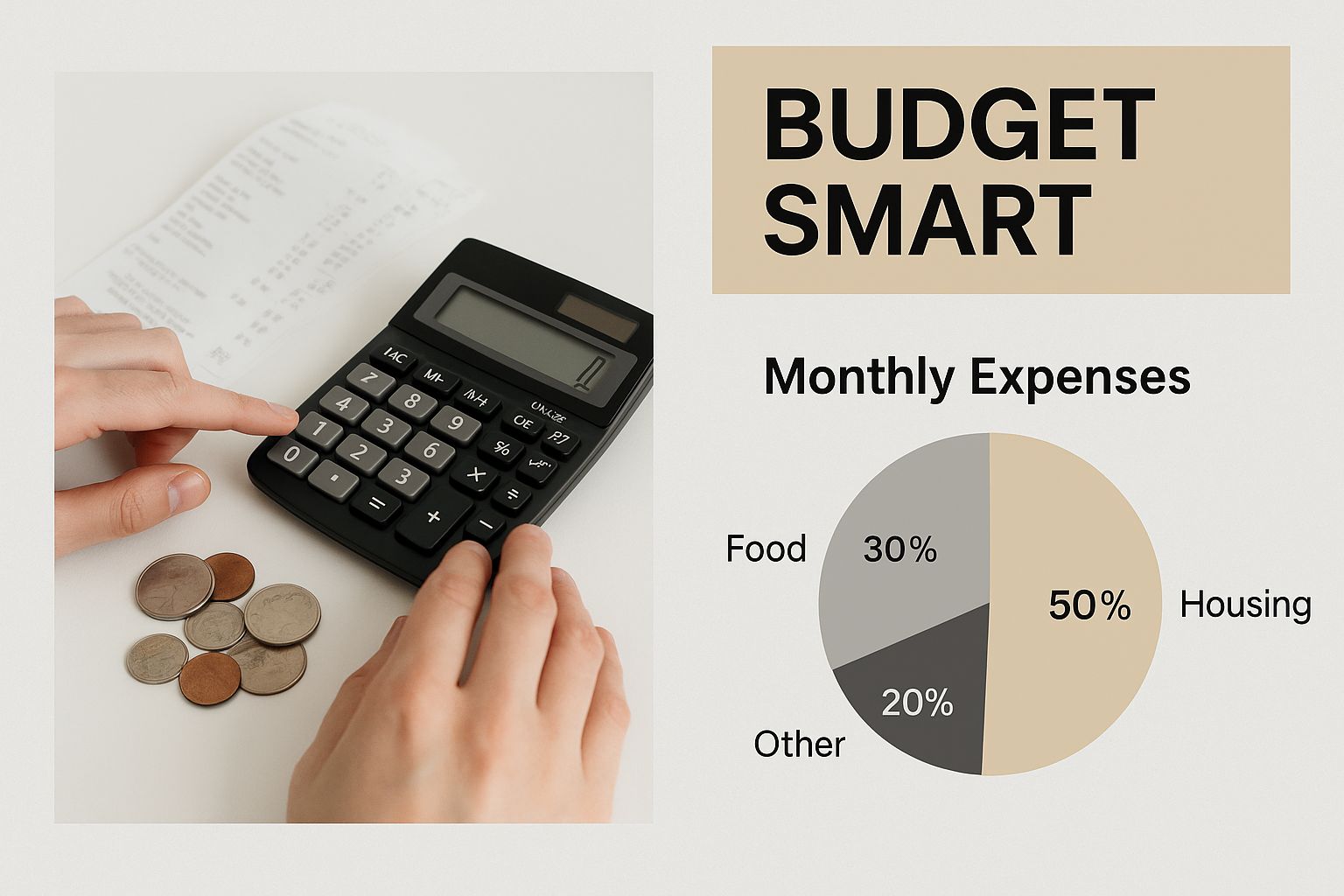
This infographic visualizes budgeting for a sabbatical, emphasizing the importance of financial planning before taking extended time off. Careful cost calculation and exploring diverse funding options are crucial for minimizing stress and ensuring a financially sound sabbatical.
Sabbatical Models and Your Finances
Different sabbatical models have varying financial implications. Unpaid leave requires substantial upfront savings. A career transition break, where you might do freelance work, allows for some income during your time off. Choosing the right model depends on your individual finances and the planned length of your break.
To help you understand the different options, let's take a look at this comparison table:
Sabbatical Financial Planning Comparison: This table compares different sabbatical funding approaches, from fully unpaid to partially paid arrangements, including pros, cons, and ideal circumstances for each option.
| Sabbatical Type | Financial Impact | Planning Time Required | Best For | Key Considerations |
|---|---|---|---|---|
| Unpaid Sabbatical | Significant reliance on savings | Extensive, often 1-2 years in advance | Individuals with substantial savings and a clear budget | Requires strict adherence to budget; limited flexibility |
| Partially Paid Sabbatical (Company Program) | Reduced income; reliance on both savings and partial salary | Moderate, typically 6-12 months in advance | Employees in companies offering such programs | May have specific eligibility requirements and limitations on activities during the sabbatical |
| Career Transition Break (Freelance/Part-Time Work) | Potential for income generation during sabbatical | Less intensive, can be planned within a few months | Individuals comfortable with freelance work or finding part-time opportunities | Income may fluctuate; requires balancing work and sabbatical goals |
| Sabbatical with Side Hustle | Supplemental income potential | Flexible, can be developed alongside sabbatical planning | Individuals with a skill or passion they can monetize | Requires time management and dedication to both the sabbatical and the side hustle |
As shown in the table, each sabbatical type requires a different level of financial planning and is suitable for different circumstances. Carefully consider your personal situation and goals when choosing a model.
Managing Ongoing Expenses and Insurance
Remember essential ongoing expenses like rent or mortgage payments, council tax, utility bills, and insurance premiums. Maintaining health insurance coverage is particularly important. If traveling abroad, researching international health insurance is crucial.
Setting Realistic Timelines and Contingency Plans
Establish achievable timelines for your savings goals. Consider a dedicated savings account specifically for your sabbatical fund. Contingency plans are also essential. This could involve an emergency fund or a plan for returning to work earlier than expected if needed. Being prepared for unforeseen situations provides peace of mind. This careful financial planning helps you enjoy your sabbatical without constant money worries, allowing you to focus on recharging, exploring, and personal growth.
How To Negotiate Sabbatical Leave With Your Employer
Negotiating a sabbatical can seem intimidating, but with the right strategy, it can be a productive conversation that benefits everyone involved. Forward-thinking employers increasingly recognize the value of sabbaticals, seeing them as strategic investments in employee well-being and retention, rather than disruptions.
Understanding Your Rights and Company Policy
Before initiating the conversation, understand your company's sabbatical policies and your employee rights in the UK. While there's no legal right to a sabbatical, understanding existing policies provides a strong base for your proposal. This knowledge allows you to negotiate effectively and confidently present your case.
Framing Your Sabbatical Proposal
Present your sabbatical as mutually beneficial. Highlight how the break will positively impact both you and your employer. Explain how recharging will improve your productivity and creativity upon return. Perhaps you plan to learn new skills directly relevant to your role. This professional development can significantly enhance your contributions to the company.
The Benefits of Sabbaticals for Employers
Sabbaticals can be a key tool for talent retention and employee well-being. They can reduce burnout and increase retention, especially among high-performing employees. In the UK, sabbaticals are not just desired for personal reasons; they're also becoming a part of competitive employer engagement strategies. Employers are realizing that offering sabbaticals can prevent valuable employees from seeking opportunities elsewhere. Explore this topic further.
Timing and Approach
Choose the right moment to discuss your sabbatical. Avoid busy periods or times of high pressure for your employer. Schedule a formal meeting to discuss your request thoroughly, demonstrating professionalism and respect. Dedicated time allows for a focused and productive discussion.
Presenting a Compelling Case
Create a written proposal outlining your sabbatical plans, including the duration, objectives, and how your work will be covered during your absence. This demonstrates preparation and commitment. Address any potential concerns your employer might have proactively. This shows consideration for the impact of your absence.
Negotiating Alternative Arrangements
Be flexible and open to alternative arrangements if a traditional sabbatical isn't possible. Consider a shorter break, phased leave, or a period of remote work. A willingness to compromise increases the likelihood of finding a solution that works for everyone.
Sample Conversation Starters
- "I'd like to discuss a potential sabbatical to recharge and explore professional development opportunities that could benefit the team."
- "I've been researching sabbaticals and believe it could be a valuable investment in my long-term productivity and contribution to the company. Could we schedule a time to discuss this?"
Maintaining Professionalism
Even if your request is declined, remain professional and thank your employer for their time. This preserves a positive relationship and leaves the door open for future conversations. Consider exploring alternative options like extended annual leave or a phased return. A proactive approach demonstrates your ongoing commitment. Entering the discussion with a structured plan and a positive attitude significantly increases your chances of a successful outcome.
Designing A Sabbatical That Actually Transforms You
Taking a sabbatical isn't just about escaping your job; it's a chance for real personal and professional growth. While rest is key, the best sabbaticals combine relaxation with activities that have purpose. Let's explore how to structure your time off, no matter your focus.
Identifying Your Sabbatical Goals
First, decide what you want to achieve. Are you looking for skill development, exploring creative passions, planning a long trip, doing volunteer work, or simply rediscovering yourself outside of the office? Figuring out your goals will shape your sabbatical. Think of it like choosing a direction before starting a journey.
Structuring Your Time Away
A totally unstructured sabbatical can be overwhelming. While flexibility is good, a general plan gives you a sense of direction. This might mean setting aside certain days for specific activities, having weekly goals, or breaking your sabbatical into different parts. One way is to use the first few weeks for relaxing and decompressing, then shifting to more active pursuits. This lets you gradually move from work mode to sabbatical mode.
Examples of Sabbatical Activities
Skill Development: Learning a new language with Babbel, taking an online course through Coursera, or attending workshops. Consider skills that help your career or explore something entirely new. Investing in yourself can greatly improve your job prospects when you return.
Creative Pursuits: Writing a novel, learning photography, taking pottery classes, or reviving a forgotten hobby. This can be a rewarding experience, letting you explore long-held interests.
Travel: Exploring new cultures, experiencing different lifestyles, and broadening your horizons. Even trips within your own country can offer chances for discovery and self-reflection.
Volunteering: Helping a cause you care about, gaining new experience, and making a real difference. Volunteering is a wonderful way to connect with your community and give back.
Setting Meaningful Goals Without Over-Scheduling
Set achievable goals and don't over-schedule. A sabbatical is about recharging, not recreating the pressure of work. Leave room for spontaneity and unexpected things. Like hiking a new trail, allow yourself to stray from the planned route sometimes and find hidden gems.
Staying Mentally Engaged
Keeping your mind engaged during your sabbatical can stop you from feeling restless. This might mean reading, writing, learning, or having stimulating conversations. Think about keeping a journal of your experiences. This record keeps track of your thoughts and insights, making it easier to look back on your time off when you go back to work. Like souvenirs from a trip, these journal entries capture your sabbatical and remind you of how you've grown.
Embracing Flexibility and Adaptability
Finally, remember to be flexible. Unexpected difficulties or discoveries may change your plans. Be open to changing things as needed. See your sabbatical plan as a guide, not a strict schedule. Allowing yourself to move away from your original plan creates opportunities for unplanned experiences and valuable lessons. This adaptability makes your sabbatical a truly transformative experience.
Returning To Work Stronger Than When You Left
Taking a sabbatical is a significant investment in your personal and professional growth. But its true value comes from how well you reintegrate into your working life. This isn't just about slipping back into old routines; it's about using your experiences to propel your career forward.
Updating Your Professional Narrative
A sabbatical often shifts perspectives and career goals. Updating your professional narrative is key. Revise your CV and LinkedIn profile to reflect new skills and insights. For example, if you volunteered, emphasize the transferable skills gained. Travel experiences can highlight adaptability and cross-cultural understanding.
Leveraging Sabbatical Experiences in Job Interviews
When job hunting, your sabbatical becomes a valuable asset. Instead of a career gap, frame it as intentional growth. Prepare concrete examples of how your experiences developed valuable skills, such as improved problem-solving from navigating unfamiliar situations or enhanced communication skills. For more tips, check out this helpful resource: How to master your return-to-work interview.
Addressing Concerns About Career Gaps
Some employers might have reservations about career gaps. Address these head-on. Explain the purpose of your sabbatical, the skills developed, and how they benefit their organization. Discuss how renewed focus and energy translate into increased productivity and emphasize your commitment to your career.
Readjusting to Workplace Rhythms
Returning after an extended break requires readjustment. Ease back into the routine gradually. Prioritize key tasks and avoid becoming overwhelmed, especially in fast-paced environments. Think of it like returning to exercise after a break; start slowly and gradually increase intensity.
Maintaining the Benefits of Your Sabbatical
The goal is to sustain the positive changes. This might mean maintaining a healthier work-life balance, continuing personal development, or practicing mindfulness. The UK's employment rate stood at 75.0% for people aged 16 to 64, while the unemployment rate was 4.5% between January and March 2025. In this context, sabbaticals are becoming a necessary response to the realities of modern work life. Discover more insights about sabbaticals in the UK job market.
Integrating Lessons Learned
Reflect on your experiences and identify key lessons. How can these insights apply to your work? Perhaps you discovered new strengths, identified areas for improvement, or gained a fresh perspective on your career goals. Integrating these lessons ensures continued benefits.
Continuing Your Growth Momentum
Your sabbatical isn't the end of development, but a springboard for continued growth. This might involve further education, new challenges within your current role, or exploring new opportunities. Actively seeking growth maintains the momentum and positive impact of your time off. Returning to work is not a step back, but a step forward in a revitalized career journey.
Key Takeaways For Your Sabbatical Success
Taking a sabbatical is a big decision. But with careful planning, it can be incredibly rewarding. This section offers key insights to guide you through your sabbatical, from the initial planning stages to a successful return to work. These actionable steps will help you maximize the benefits, ensuring a truly enriching experience.
Planning and Preparation: Setting the Foundation
Define Your Goals: What do you want to accomplish during your time off? Whether it's developing new skills, traveling, or simply recharging, having clear goals is crucial. Think of your sabbatical as a project. A clear objective keeps you focused and on track.
Financial Prudence: Create a detailed budget. Factor in all expenses, including living costs, travel, and planned activities. Explore funding options such as savings, investments, or even a part-time job. Don't forget to secure adequate insurance, especially if you're traveling internationally.
Negotiate Effectively: Discuss your sabbatical plans with your employer in a professional manner. Highlight the mutual benefits. Emphasize how a refreshed and re-energized you will bring renewed focus and contribute positively upon your return. Be ready to discuss how your workload will be covered during your absence.
During Your Sabbatical: Embracing the Experience
Structured Flexibility: Find a balance between planned activities and flexibility. A general plan is helpful, but be sure to leave room for spontaneous adventures. Embrace the unexpected and be open to adjusting your plans as new opportunities arise.
Stay Engaged: Keep your mind active to avoid feeling restless. Pursue hobbies, learn a new skill, or participate in stimulating activities. Journaling can be a great way to reflect on your experiences and preserve your memories.
Disconnect and Recharge: Make rest and relaxation a priority. A sabbatical is a time for rejuvenation. Disconnect from work routines and give yourself time to unwind, both physically and mentally. Engage in activities that bring you joy and help you replenish your energy.
Returning to Work: Integrating Your Experiences
Update Your Narrative: Reflect on how your sabbatical has shaped your skills and perspectives. Update your resume and online profiles (like LinkedIn) to reflect your new experiences and insights. Frame your sabbatical as a period of intentional growth, highlighting the benefits it offers potential employers.
Re-entry Strategy: Plan your return to work thoughtfully. Ease back into your routine gradually, focusing on key tasks to avoid feeling overwhelmed. Maintain a healthy work-life balance, incorporating the positive habits you developed during your sabbatical.
Continued Growth: See your sabbatical not as an end, but as a springboard for continued growth. Keep pursuing professional development opportunities, building on the skills and knowledge you gained during your time off.
By focusing on these key takeaways, you can make your sabbatical a truly transformative experience, enriching your life both personally and professionally. Ready to simplify your leave management and make taking a sabbatical even easier? Explore LeaveWizard today.


